WCRC
Wall-Climbing Robot Challenge
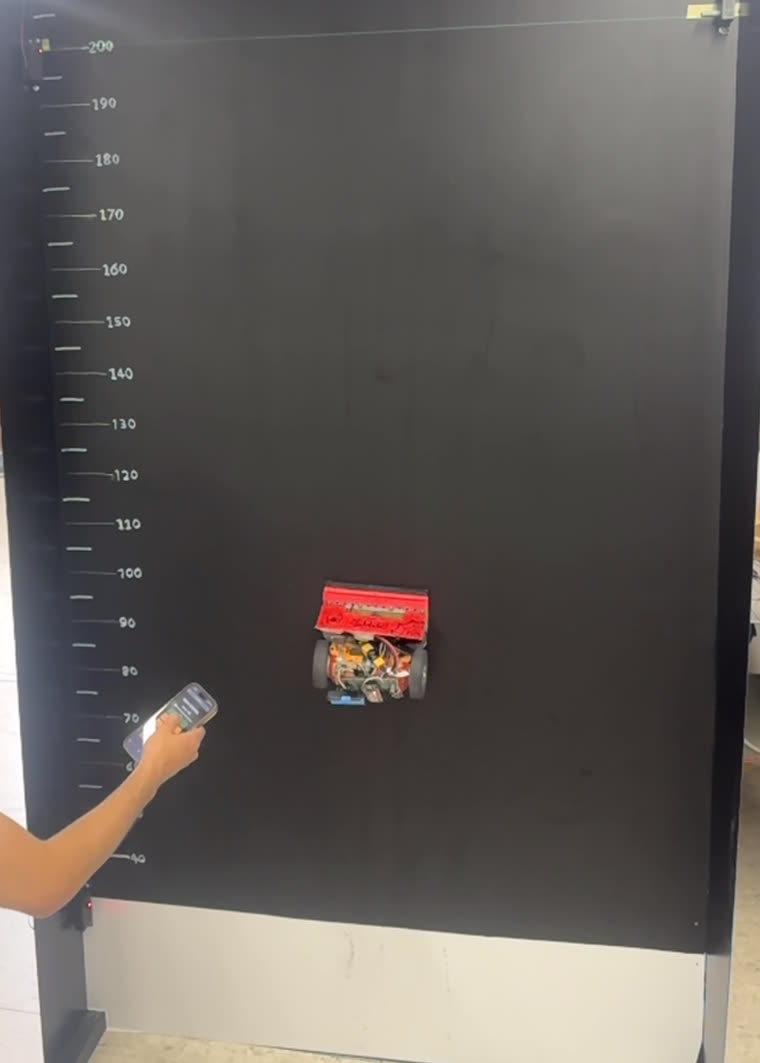
The Wall-Climbing Robot Challenge (WCRC) is the first-of-its-kind competition organized by IEEE RAS at the University of Jordan. Teams of up to 4 members design and build a single robot that climbs a 240 cm vertical galvanized steel wall, racing against the clock and gravity itself. Open to university students, school students, and hobbyists alike. Robots are evaluated on climb speed, mechanical stability, and successful completion of the course. This isn't just about sticking to a surface; it's a true test of engineering precision, power-to-weight optimization, and creative mechanical design.
240 cm tall × 120 cm wide. 2.0 mm galvanized steel (magnetic). Finish line at 200 cm. Teams must account for magnetic saturation.
Max weight: 5.0 kg. Starting size: 30×30×30 cm. Max voltage: 24V peak. Post-launch expansion allowed on the wall face only.
Up to 4 members per team. One designated Team Leader. One robot per team — no swapping between waves. Open to all skill levels.
Two waves (best of 2 runs). 90s setup, 150s max run time. Hybrid control — autonomous or RC. Fastest single run wins. Ties broken by distance, weight, then run order.
Total Pool: 500 JOD
Form a team of up to 4 members and register by June 15, 2026. Entry fee: 5 JOD (IEEE members) or 10 JOD (standard), plus a 10 JOD refundable safety deposit.
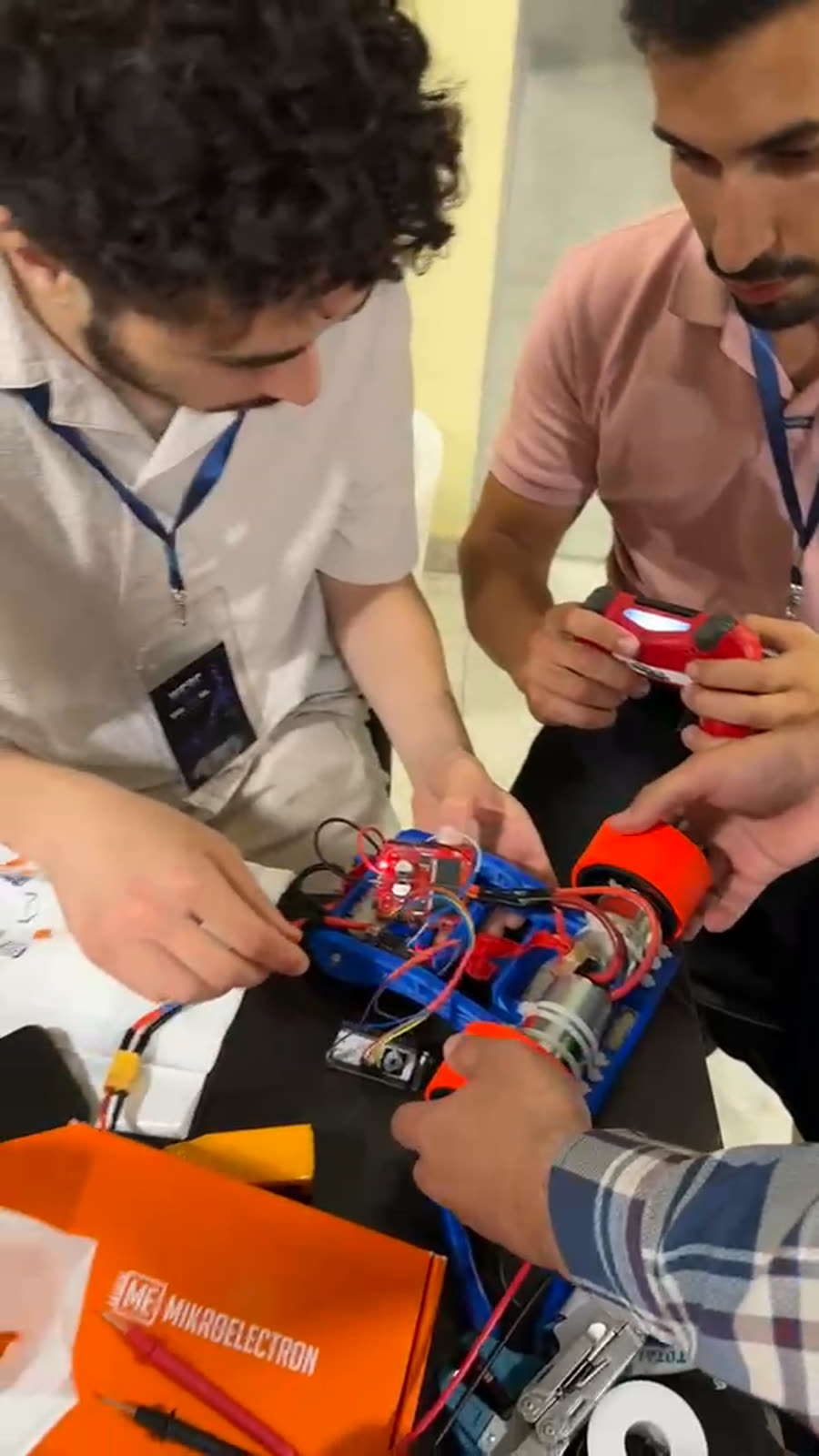
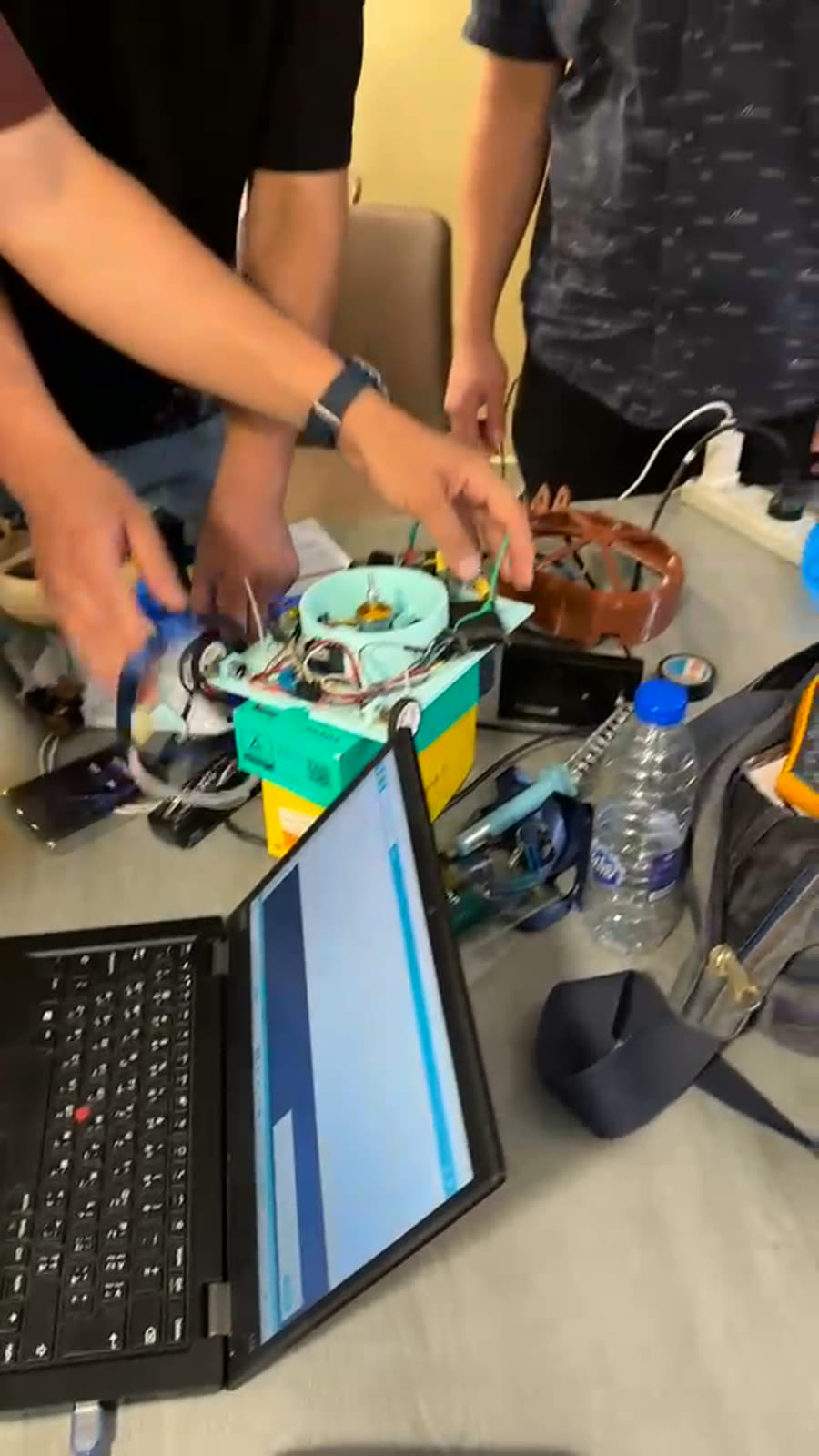
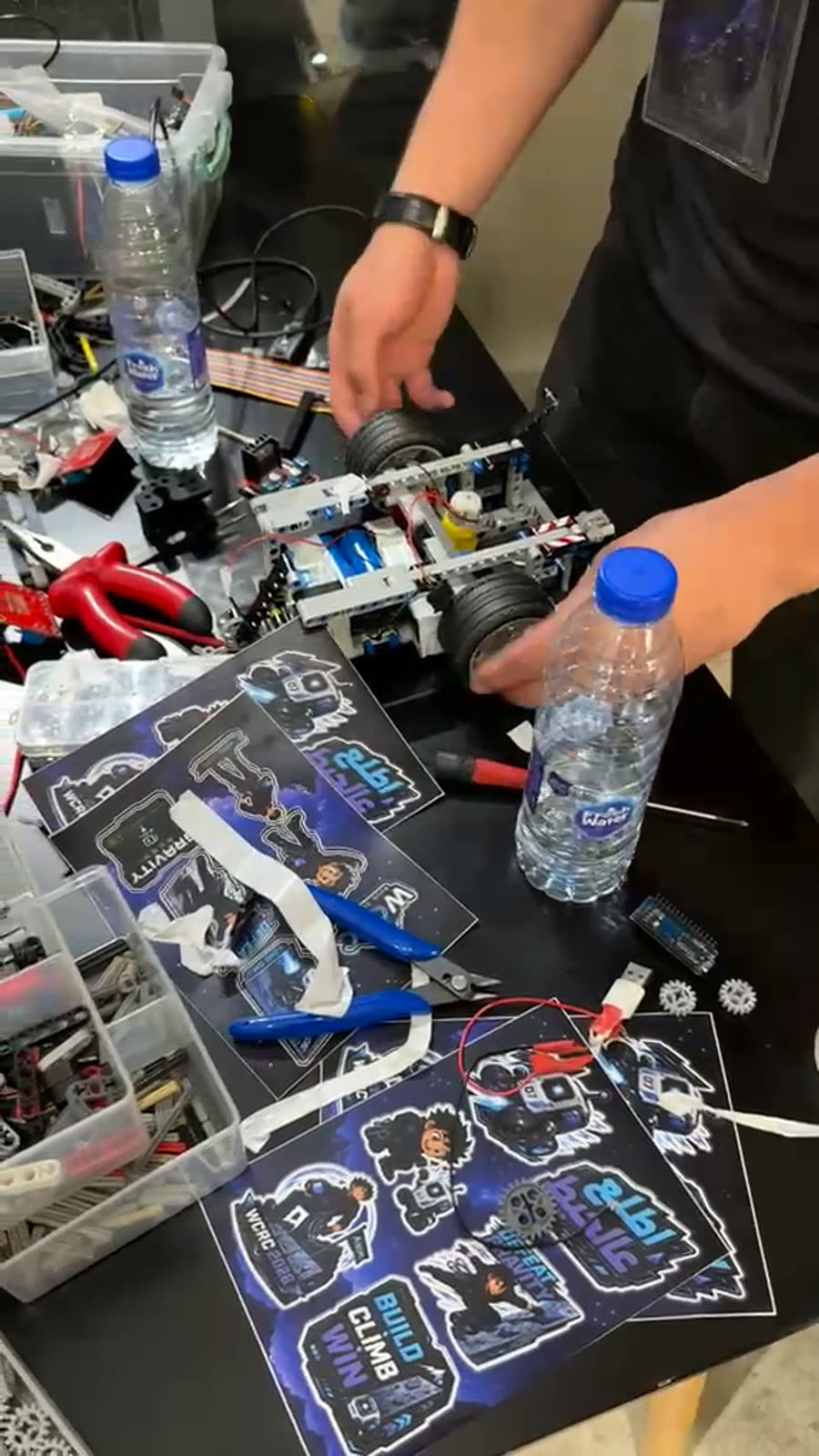
Engineer your wall-climbing robot. Magnets, vacuum fans, and air movers are all allowed — but no glue, suction cups, or chemical adhesives. Optimize for weight, torque, and speed within 5 kg and 30×30×30 cm.
Phase 1: Submit prototype photos or CAD by June 18 for preliminary review. Phase 2: Mandatory on-site inspection on July 2 — weight, dimensions, battery safety, and E-Stop all verified before you can compete.
July 2–4 at Fikr AI Hub. Two waves with a 30-min maintenance break between them. Your best single run time out of 2 determines your rank. All runs verified by VAR video review.
WCRC is open to everyone — university students, school students, and hobbyists. Teams can have up to 4 members and must designate one Team Leader as the sole point of contact with officials. Each team competes with exactly one robot.
The wall is 2.0 mm galvanized steel, so magnetic adhesion is the primary approach — but vacuum pumps and fans (air movers) are also permitted. What's banned: glue, sticky tape, water, gels, suction cups, chemical adhesives, or anything that leaves residue. No edge grabbing either — climbing must stay on the face of the wall.
Entry fee is 5 JOD if at least one team member holds an active IEEE membership, or 10 JOD for teams with no IEEE members. There's also a 10 JOD refundable safety deposit (returned after the event unless arena damage occurs). Payment accepted via CliQ (alias: IEEERAS) or in cash. After paying via CliQ, send a screenshot of your payment on WhatsApp to +962 79 241 6275.
Either! The control method is Hybrid — autonomous or RC, your choice. The fastest robot wins regardless of control type. For RC robots, activation is a single start command after the referee's whistle, then continuous remote control is allowed. Just note: all controllers must stay powered off in the pit area and audience seating. You can only turn on your controller when instructed by the referee in the Start Zone.
Registration deadline: June 15, 2026. Preliminary review (submit photos/CAD): June 18. Competition days: July 2–4 at Fikr AI Hub & Study House, Amman. On-site technical inspection takes place on July 2 before Wave 1 begins.
Falls below 30 cm (the Start Zone) count as a false start — you get one restart per run. Falls above 30 cm are an immediate DNF. For stalls: if your robot fails to make at least 5 cm of upward progress within any 30 consecutive seconds, it's declared DNF. Lateral movement and vibrations don't count as progress.
Download the official WCRC 2026 Rulebook for complete competition rules, robot specifications, scoring methodology, and tie-breaker procedures.
A space dedicated to innovation and engineering. Fikr AI Hub provides the perfect environment for high-stakes robotics competitions, with ample space for teams to prep and a live audience to cheer.
WCRC 2026 (Wall-Climbing Robot Challenge) is organized by IEEE Robotics and Automation Society (IEEE RAS), University of Jordan Chapter.